Rent-Ready Process: A Checklist for Faster Lease-Up
Share this post
Key Takeaways
- Schedule a pre-move-out walkthrough to identify repairs, order materials and reduce delays once the property becomes vacant.
- Compare move-out conditions with the original inspection records to document damage and support accurate security deposit accounting.
- Prioritize moisture control, HVAC performance, plumbing and pest prevention when preparing New Orleans rental properties.
- Choose durable, low-maintenance materials and evaluate upgrades based on their potential to reduce future expenses or support rental value.
- Prepare listing descriptions, pricing and marketing photos before the property is fully vacant whenever permitted to minimize unnecessary downtime.
When a tenant moves out, lost rental income begins while expenses such as mortgage payments, taxes, insurance and utilities continue.
The faster a property becomes rent-ready, the sooner it can be marketed and leased. An efficient turnover requires advance planning, organized scheduling and thorough documentation.
This checklist from Upper Management Realty outlines the key steps for New Orleans rental property owners, from the move-out inspection to the first showing. It is for general educational purposes only, not legal or financial advice. Verify applicable local regulations, lease requirements and insurance obligations.
Why the Turn Matters
Turnover is one of the most significant controllable costs of rental ownership. Extended vacancies reduce income, while rushed repairs can lead to overlooked problems, additional expenses and tenant dissatisfaction.

The goal is to prepare a clean, safe and functional property on a predictable schedule. Treat each turnover as a project with a defined budget, timeline and task list to identify potential delays before they become costly.
Step 1: Plan Before Move-Out
Start preparing your New Orleans property before the tenant leaves. Review the lease, confirm the move-out date and arrange a pre-move-out walkthrough if permitted and agreed upon.
Use the visit to identify potential repairs, order materials and communicate expectations for cleaning, key returns and forwarding addresses.
You may also begin marketing before the property is vacant if the lease, applicable laws and tenant cooperation allow showings. Verify entry requirements before scheduling visits.
Step 2: Complete the Move-Out Inspection
After the tenant vacates and returns the keys, inspect every room and compare the property's condition with the move-in documentation.
- Take dated photos and videos of rooms, appliances, fixtures and exterior areas.
- Document damage beyond normal wear and tear.
- Identify repairs, replacements and safety concerns.
- Keep inspection records for deposit accounting.
Security deposit deductions and return deadlines are subject to specific regulations. Verify current requirements and consult a qualified attorney when necessary.
Step 3: Secure the Property
Before repairs begin, re-key locks or change access codes, collect keys and fobs, and confirm that windows and doors lock properly. Maintain an access log for vendors.

Check vacant properties regularly for leaks, pests, unauthorized entry and other problems that could cause additional damage.
Step 4: Create a Repair Scope and Schedule
List required work, assign responsibilities and establish completion dates. Schedule tasks in an order that prevents completed work from being damaged by subsequent repairs.
A typical sequence includes:
- Major safety and system repairs, including plumbing, electrical and cooling.
- Pest control and moisture inspections.
- Drywall, carpentry and trim repairs.
- Painting.
- Flooring repairs or replacement.
- Fixture, hardware and appliance repairs.
- Deep cleaning.
- Landscaping and exterior touch-ups.
- Final inspection and photography.
Confirm vendor pricing and project scopes in writing. Allow some scheduling flexibility and identify backup contractors in case of delays.
Step 5: Address New Orleans Property Conditions
New Orleans properties can face moisture, humidity, storms and aging infrastructure. Include these local considerations in every turnover:
- Moisture: Check for water stains, musty odors, condensation and soft spots. Identify and correct moisture sources.
- Cooling: Test the HVAC system, replace filters and inspect drain lines.
- Roof and drainage: Inspect roofs, gutters, downspouts and exterior drainage.
- Pests: Look for termites and other pests, and review treatment records.
- Plumbing: Check for leaks, slow drains, water pressure problems and water heater issues.
- Windows and doors: Inspect locks, screens and weatherstripping.
- Safety: Test smoke and carbon monoxide detectors and replace batteries.

Review applicable insurance and local requirements for additional property-specific maintenance needs.
Step 6: Refresh Paint, Flooring and Fixtures
Cosmetic improvements help make a property more appealing to prospective renters. Apply fresh, neutral paint, repair damaged flooring and replace worn blinds, outlet covers, switch plates and hardware.
Prioritize durable, easy-to-maintain materials and practical upgrades that reduce future maintenance or support rental value. Evaluate larger improvements against their expected return.
Step 7: Deep Clean
Schedule cleaning after repairs and painting are complete. Thoroughly clean kitchens, bathrooms, cabinets, appliances, floors, windows, light fixtures and closets. Remove leftover belongings and debris, clean entryways and tidy the yard.
A clean, fresh-smelling property makes a stronger impression during photographs and showings.
Step 8: Complete the Final Inspection
Walk through the property and test every appliance, faucet, switch, door and window. Run the cooling system, flush toilets, inspect under sinks and look for unfinished repairs.
Address remaining problems before photographing the home. Take bright, accurate photos of every room and the exterior. These images support marketing and document the property's condition before the next tenancy.
Step 9: Market and Show the Property
Prepare the listing as soon as the home is ready to take advantage of local market demand. Write an accurate description, establish a competitive rent using comparable properties and respond promptly to inquiries.
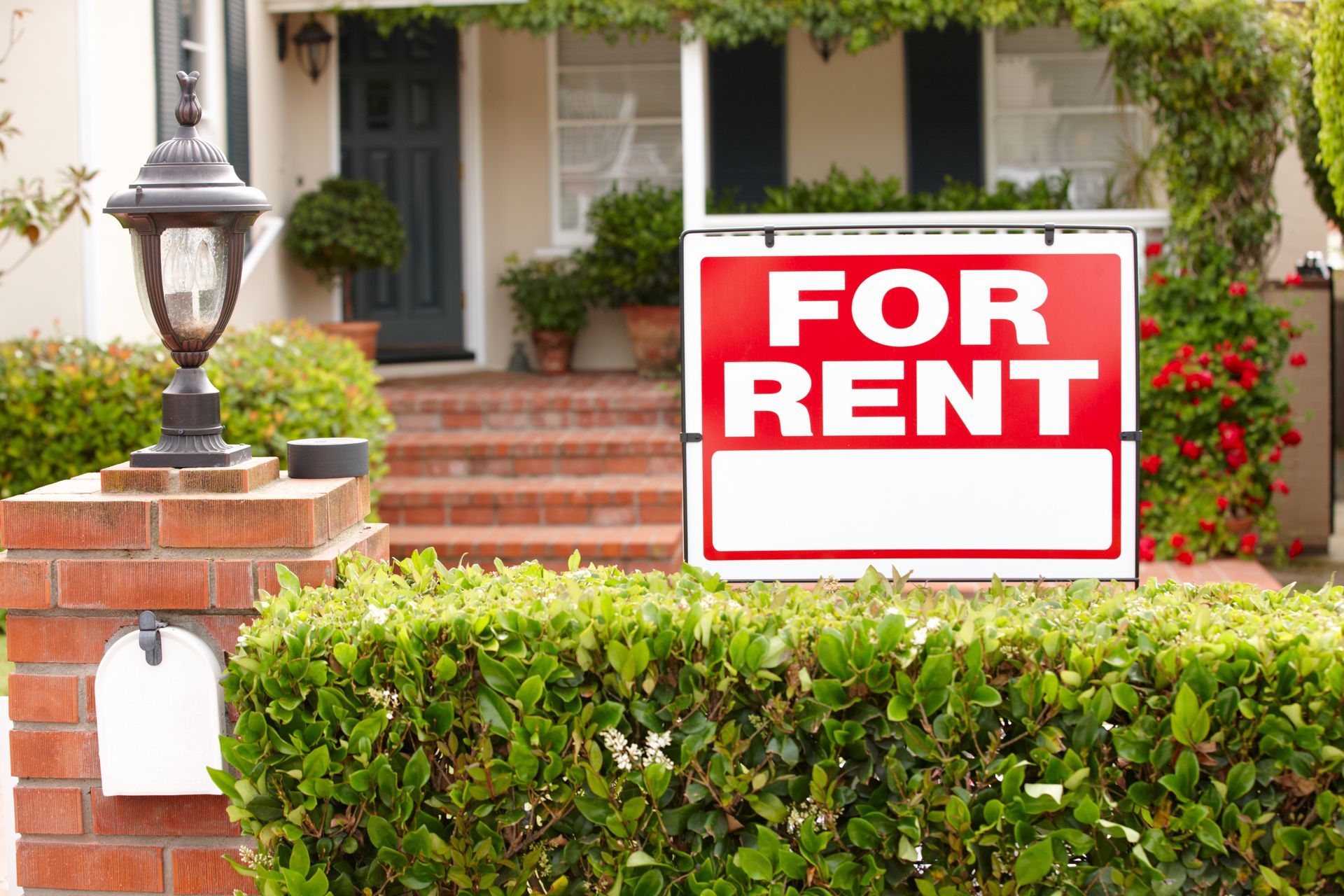
Offer convenient showing times and apply consistent, documented screening criteria to every applicant. Follow fair housing requirements throughout the leasing process. Once an applicant is approved, prepare the lease, schedule the move-in inspection and coordinate utility transfers.
Common Turnover Mistakes
Avoid these common sources of unnecessary delays and expenses:
- Waiting until move-out to order materials or schedule contractors.
- Scheduling repairs in the wrong order.
- Overlooking documentation and property security.
- Discovering moisture or maintenance problems late.
- Delaying marketing until all work is finished.
- Skipping the final inspection.
A written checklist, realistic schedule and consistent documentation help prevent these problems.
Keep Your Next Turnover on Schedule
Efficient rental turnovers depend on early preparation, thorough inspections, organized repairs and timely marketing.
New Orleans owners should pay particular attention to moisture, cooling systems, plumbing and pest prevention while verifying applicable legal and insurance requirements.
Upper Management Realty offers a free rental analysis for property owners in the New Orleans area. Call 504-895-1241or stop by 924 Valmont St, New Orleans, LA 70115 to learn more about its property management services.
Frequently Asked Questions About Rental Property Turnover
How Much Should Landlords Budget For Rental Property Turnover?
Costs depend on the property's age, condition and maintenance history. Common expenses include cleaning, painting, minor repairs, landscaping and fixture replacements.
Older New Orleans homes may require additional plumbing, electrical or moisture-related repairs. Owners should maintain a turnover reserve and track past expenses to create more accurate budgets and identify recurring maintenance issues.
Which Rental Property Improvements Offer The Best Return On Investment?
Prioritize improvements that reduce maintenance costs, improve functionality or make the property more competitive. Durable flooring, updated fixtures, efficient cooling systems and moisture prevention measures may provide long-term value.
Before investing in major renovations, compare costs with potential rent increases and expected maintenance savings.
How Should Owners Prepare Older New Orleans Rental Homes For New Tenants?
Older New Orleans properties may need additional attention to aging plumbing, electrical systems, roofs and foundations.
Check for moisture intrusion, wood deterioration and termite activity. Consult qualified contractors for necessary repairs and verify applicable building codes, permits and insurance requirements before starting major improvements.
What Should Landlords Know About Louisiana Security Deposit Requirements During Turnover?
Louisiana law establishes requirements for security deposit deductions, accounting and returns. Owners should document property conditions with dated photographs, inspection reports and repair invoices.
Distinguish normal wear and tear from tenant-caused damage, and verify current legal requirements before withholding funds. Consult a Louisiana landlord-tenant attorney if questions arise.
When Should Landlords Begin Marketing A Rental Property During Turnover?
Owners can prepare listings, research comparable rents and gather marketing materials before move-out.
Showings may also be possible before the property becomes vacant, depending on lease terms, entry requirements and tenant cooperation. Having marketing materials ready helps reduce delays once repairs are complete.
How Can A Property Manager Help Reduce Rental Turnover Costs?
A property manager can coordinate maintenance, communicate with vendors, oversee inspections and manage leasing between tenancies.
Upper Management Realty offers services including property maintenance, inspections, vendor relations, capital improvement planning and market rent analysis. These services can help owners manage turnover responsibilities and maintain their investments.